For history buffs, architecture lovers, and passionate philatelists alike, some travel destinations are more than just geographical coordinates on a map—they are living, breathing narratives. Gadag, a quiet district headquarters in North Karnataka, is precisely one of those places.
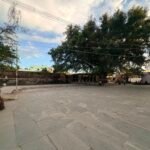
If you are tracking down the locations commemorated in India’s rich philatelic history, your first stop deserves to be the historic Veeranarayana Temple in Gadag. This sacred site is famously immortalized on a special postal cancellation depicting the image of Kumaravyasa, the legendary 15th-century Kannada poet whose words still echo through the halls of South Indian literature.
Here is a comprehensive travel guide to exploring the birthplace of a literary masterpiece and an architectural marvel.
The Epicenter of Architectural Grandeur: Veeranarayana Temple
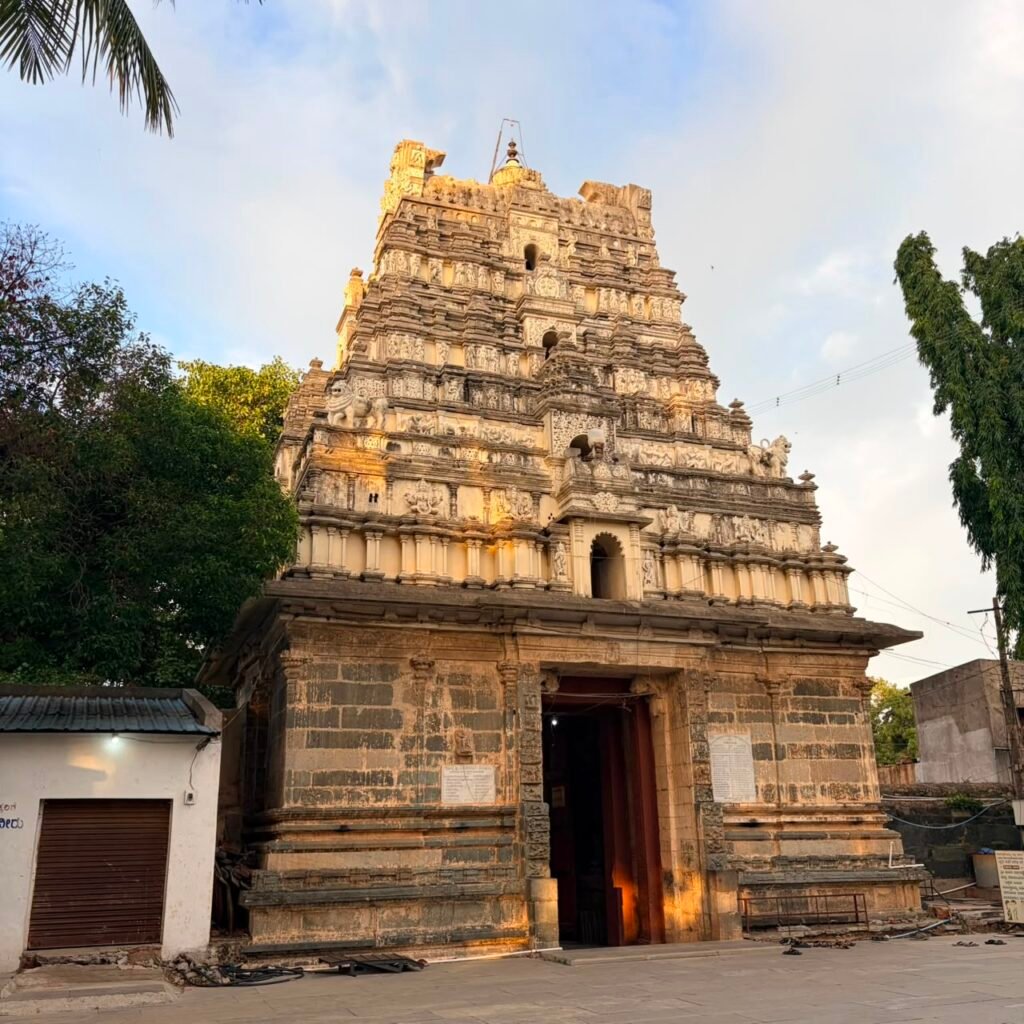
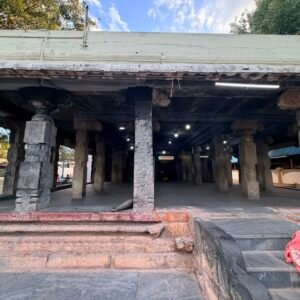
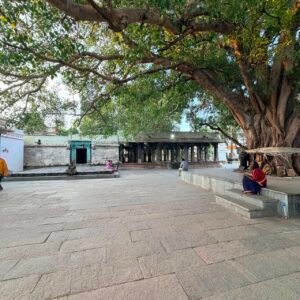
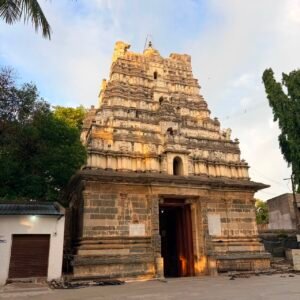
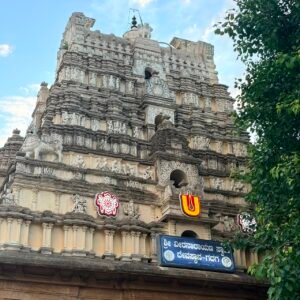
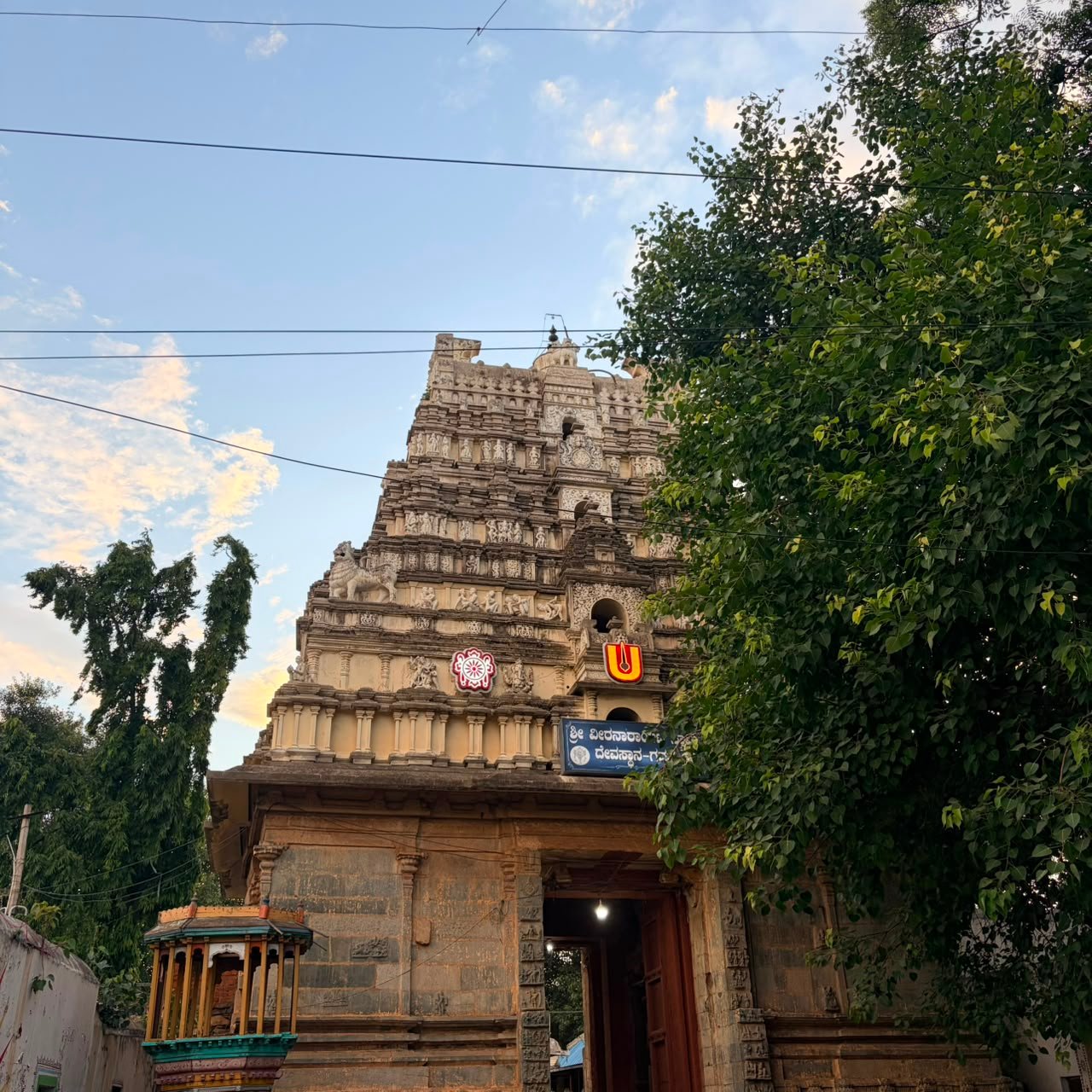
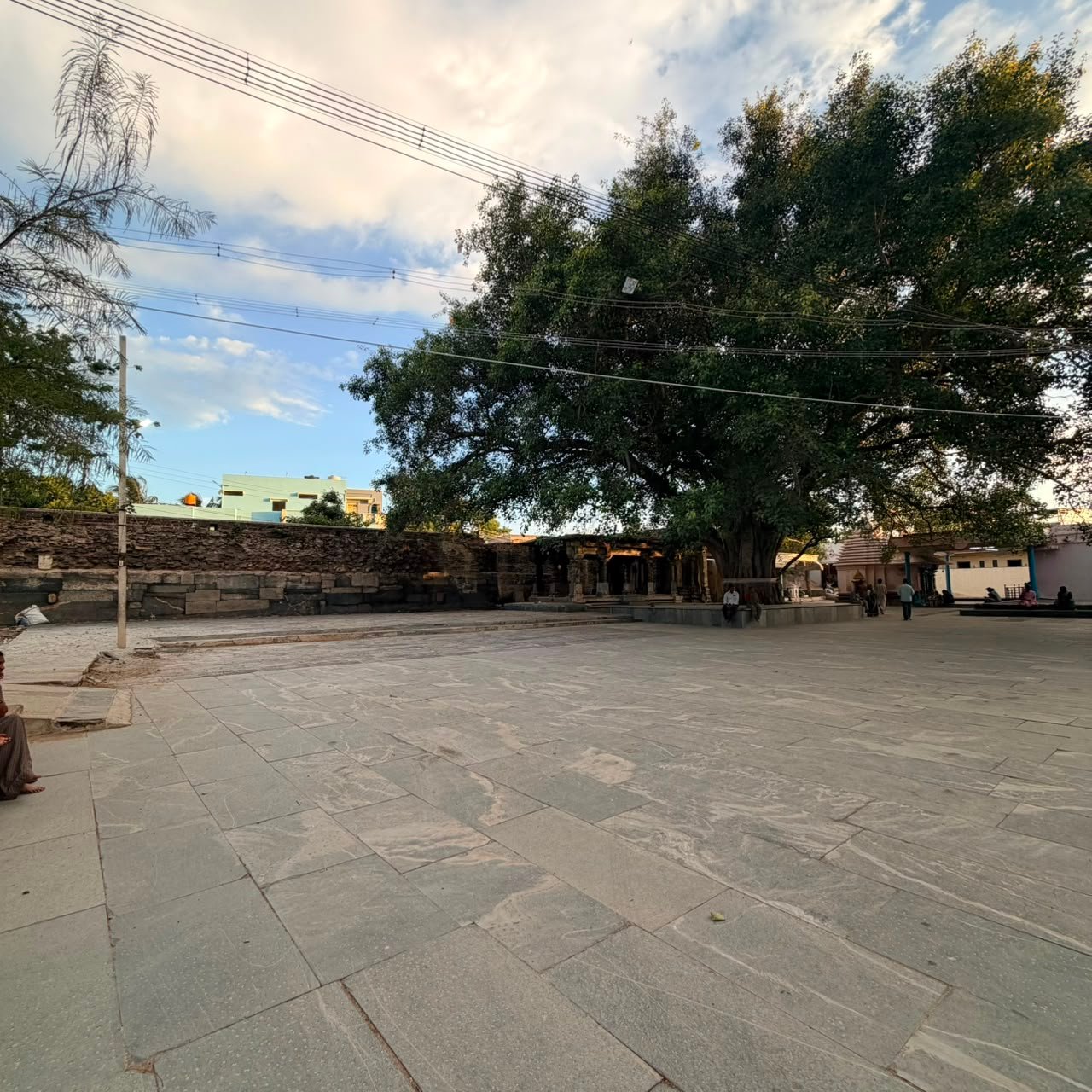
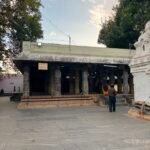
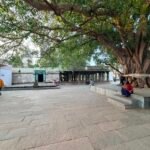
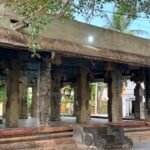
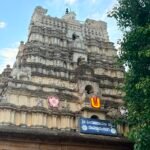
Dedicated to Lord Narayana (Vishnu), the Veeranarayana Temple is not just a place of worship; it is a structural timeline of Karnataka’s glorious dynasties. Built primarily in the 11th and 12th centuries, the temple complex beautifully blends the craftsmanship of three major South Indian empires:
- The Kalyani Chalukya Foundation: The core structure, including the inner sanctum (Garbhagriha), reflects the pristine and intricate stone-carving style of the Western Chalukyas.
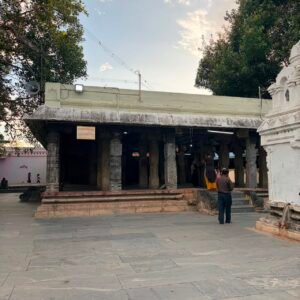
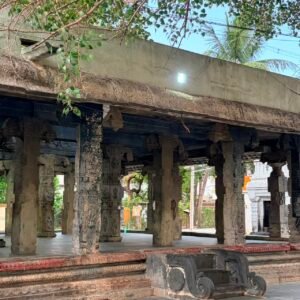
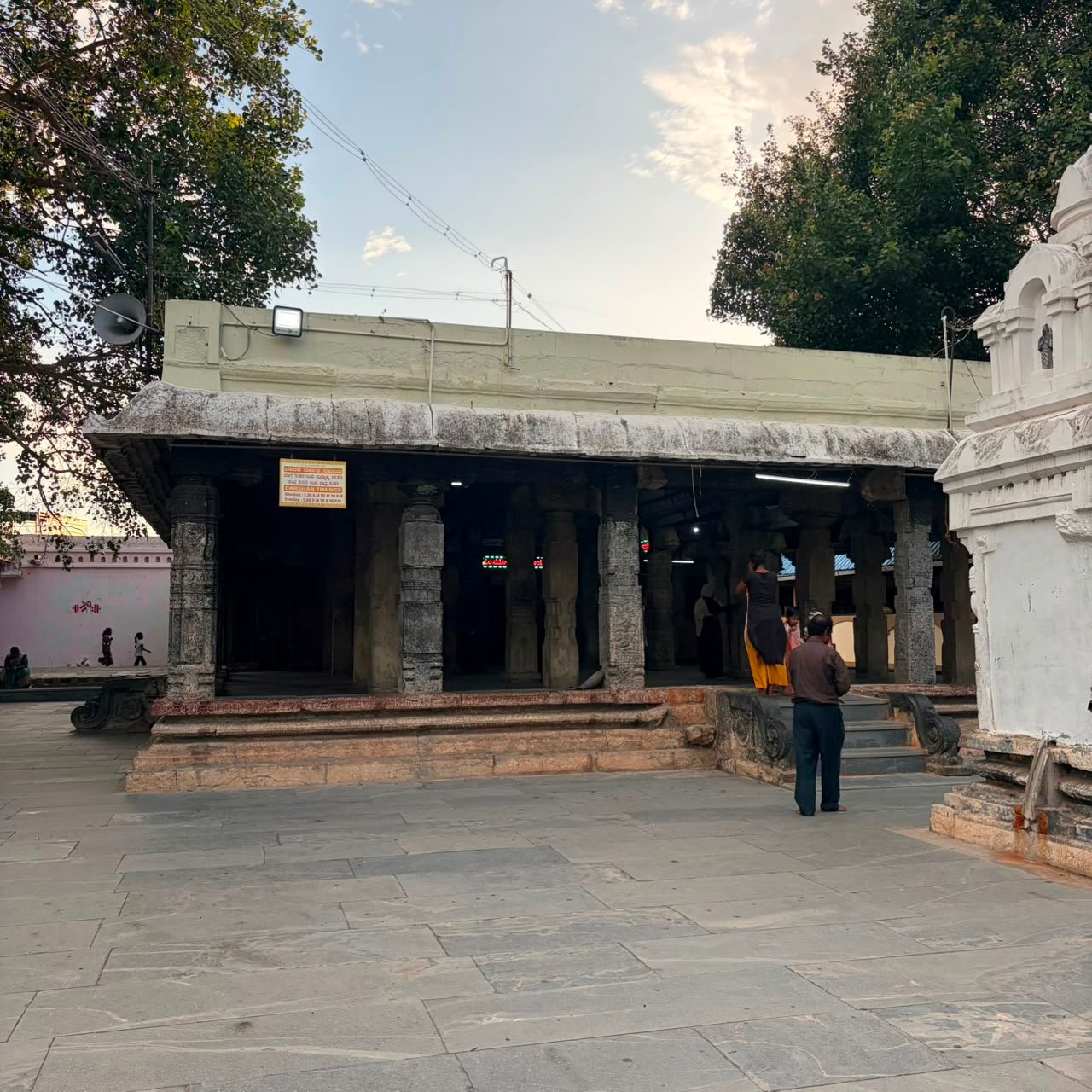
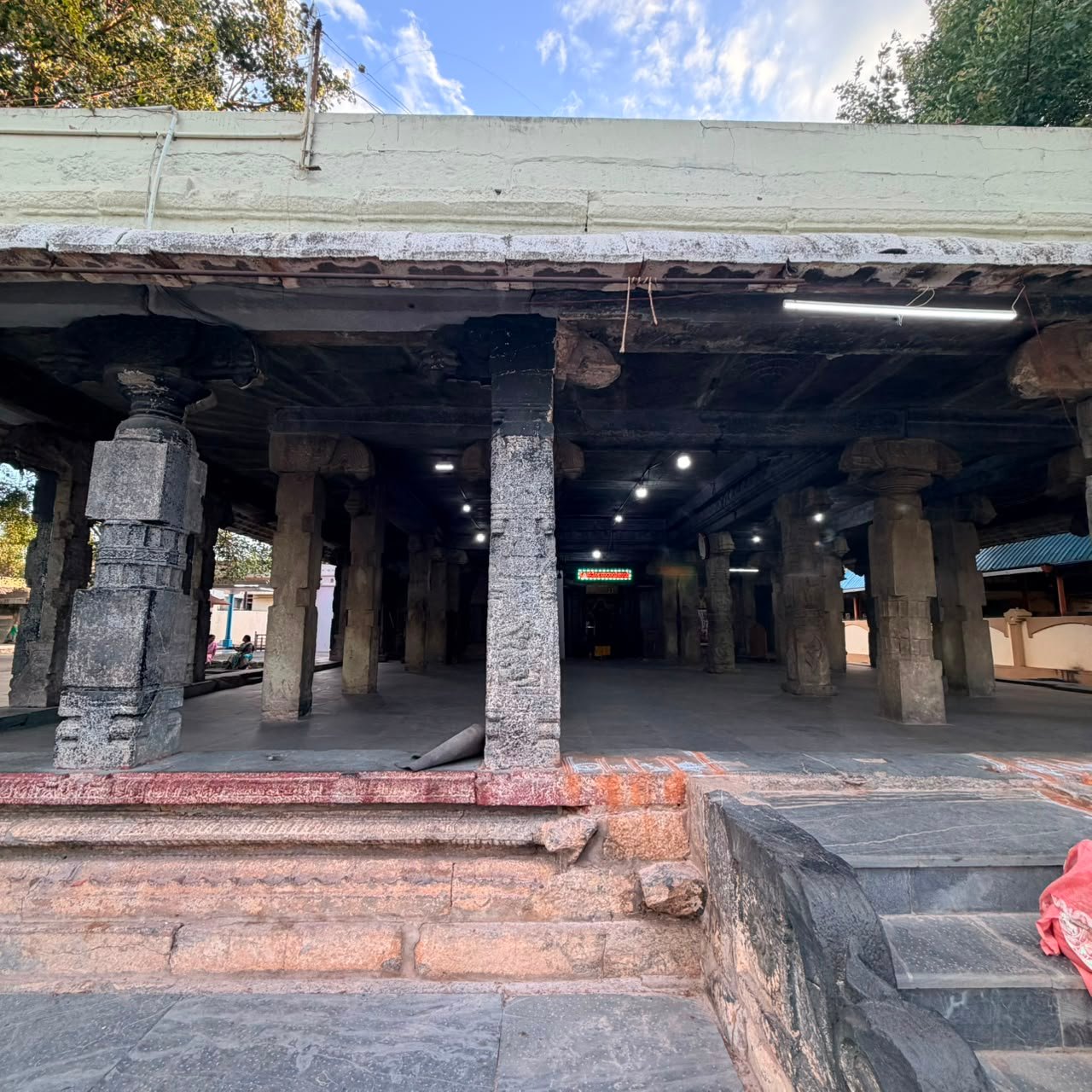
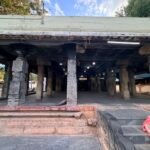
- The Hoysala Expansion: The magnificent gathering hall (Ranga Mantapa) showcases the detailed, geometric precision and ornate pillars characteristic of Hoysala craftsmanship.
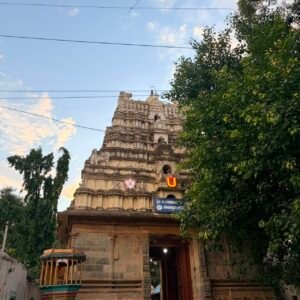
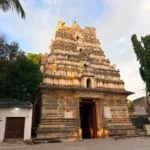
- The Vijayanagara Grandeur: The towering, imposing entrance gateway (Mahadwara) and its soaring Gopura were added during the Vijayanagara era, giving the temple its grand, fortress-like presence.
The Deity
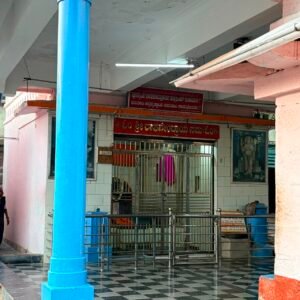
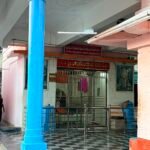
The primary deity is Lord Narayana, depicted in his unique, battle-ready Veera (warrior) form. Carved out of dark blue-shaded stone, the magnificent idol stands tall with four hands holding the Shankha (conch), Chakra (wheel), Gadha (mace), and Padma (lotus). Flanked beautifully by Goddess Lakshmi and Garuda, the deity wears drapes carved in a style resembling a warrior preparing for battle—a rare and mesmerizing sight for visitors.
The Legend of the Kumaravyasa Pillar
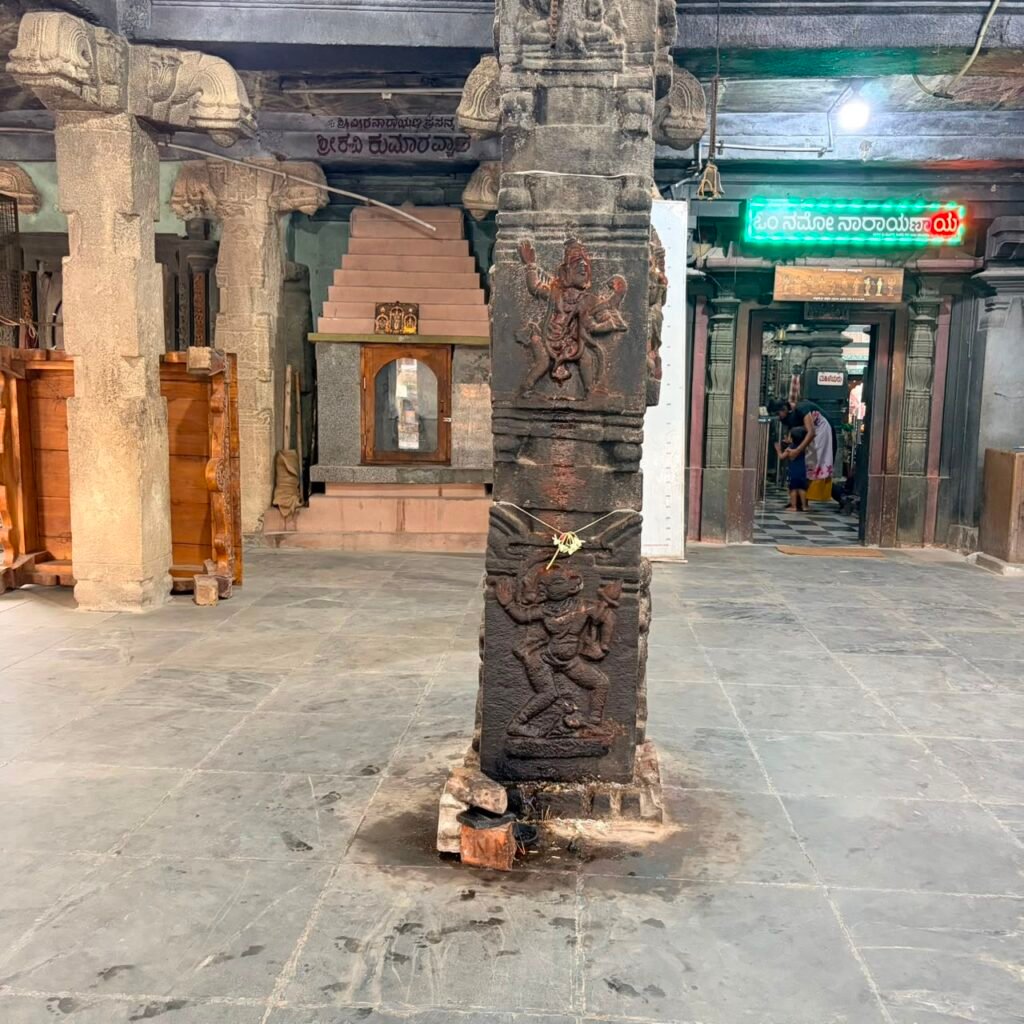
Stepping into the temple’s large assembly hall, you will find the heart of the region’s literary folklore: the Kumaravyasa Stambha (Pillar).
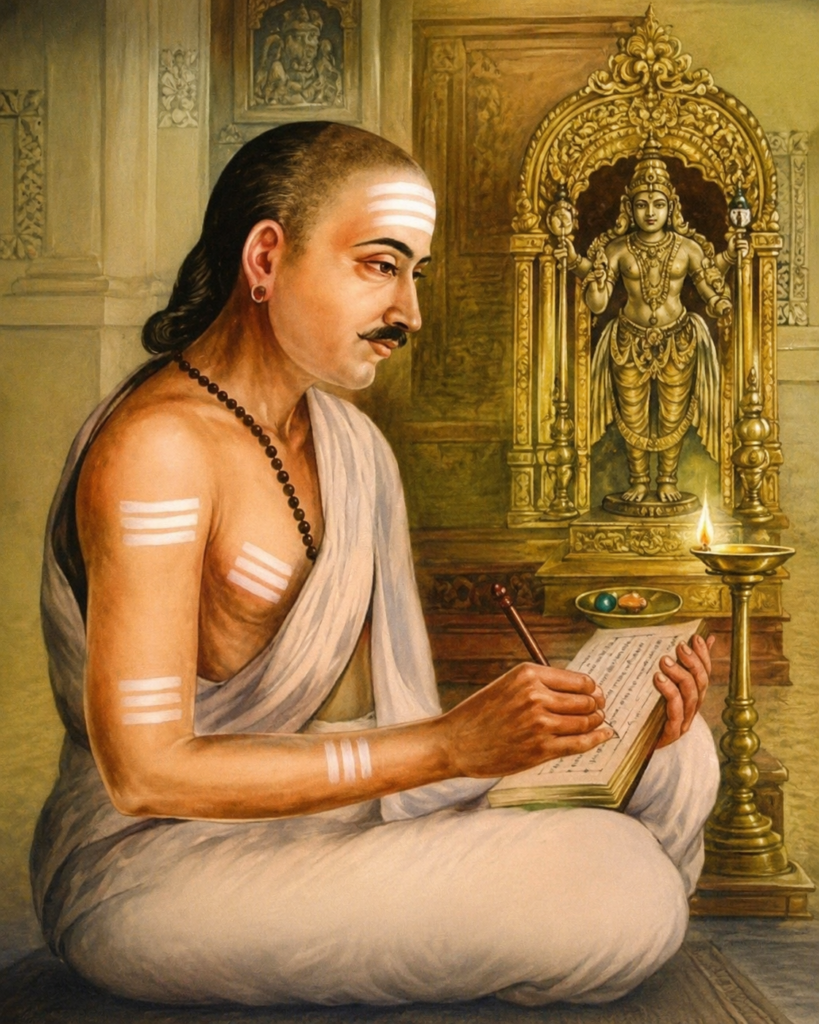
It was right here, leaning against this historic pillar, that the poet Naranappa (who adopted the pen name Kumara Vyasa) sat to compose his monumental work, the Karnataka Bharata Kathamanjari (popularly revered as the Gadugina Bharata).
The Divine Echo: Local legend holds that Kumara Vyasa didn’t just write the epic; he listened to it. It is said that Lord Veeranarayana would narrate the ancient Kurukshetra war from behind the sanctum idol each day. The poet, under a strict condition never to look at the source of the voice, transformed the divine narration into glorious Kannada poetry. He completed the first 10 parvas (chapters) before curiosity got the better of him, causing the vision to vanish—leaving the Gadugina Bharata famously known as the Dasha Parva Bharata.
Today, the pillar stands as a physical tribute to his genius, marked forever as a pilgrimage spot for lovers of the written word.
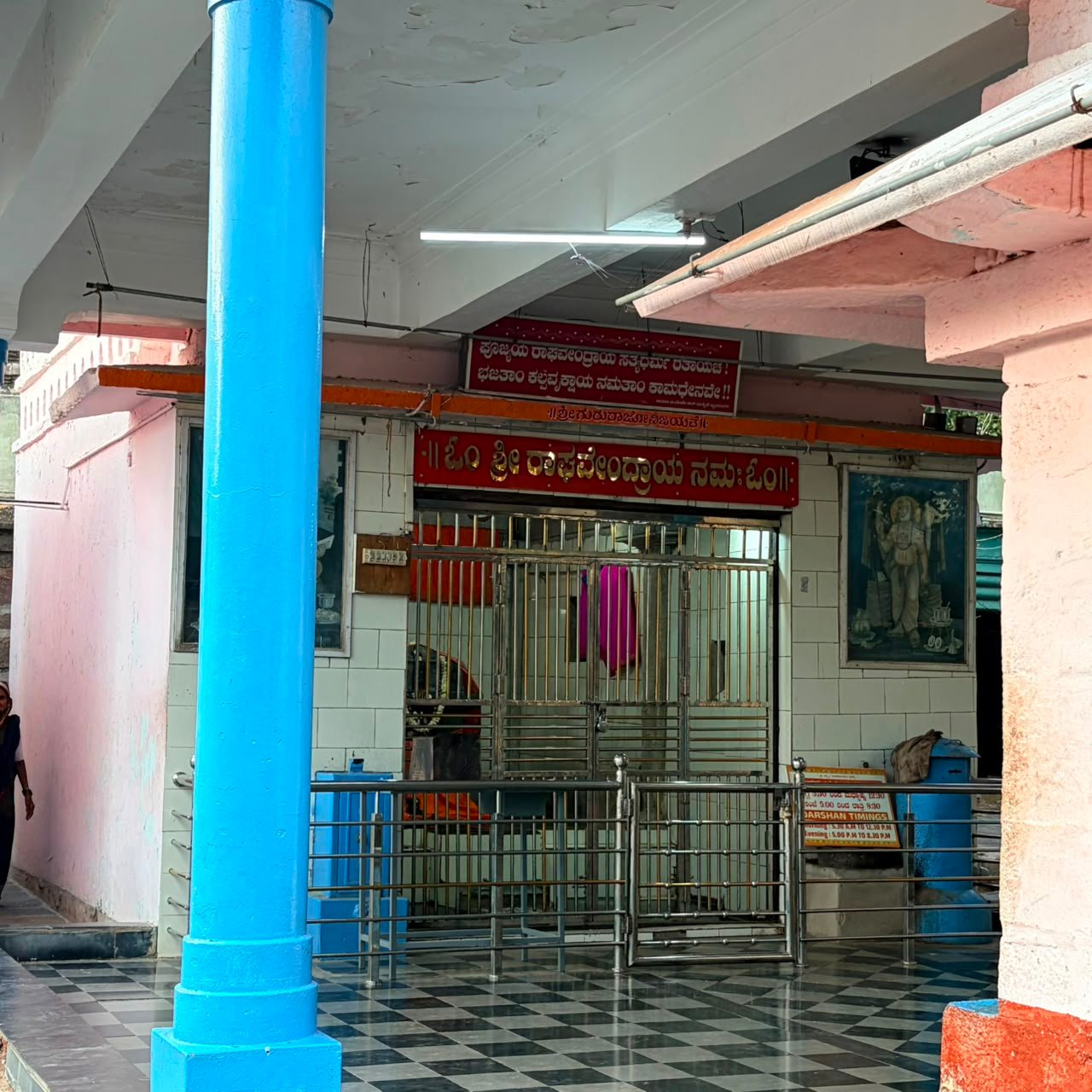
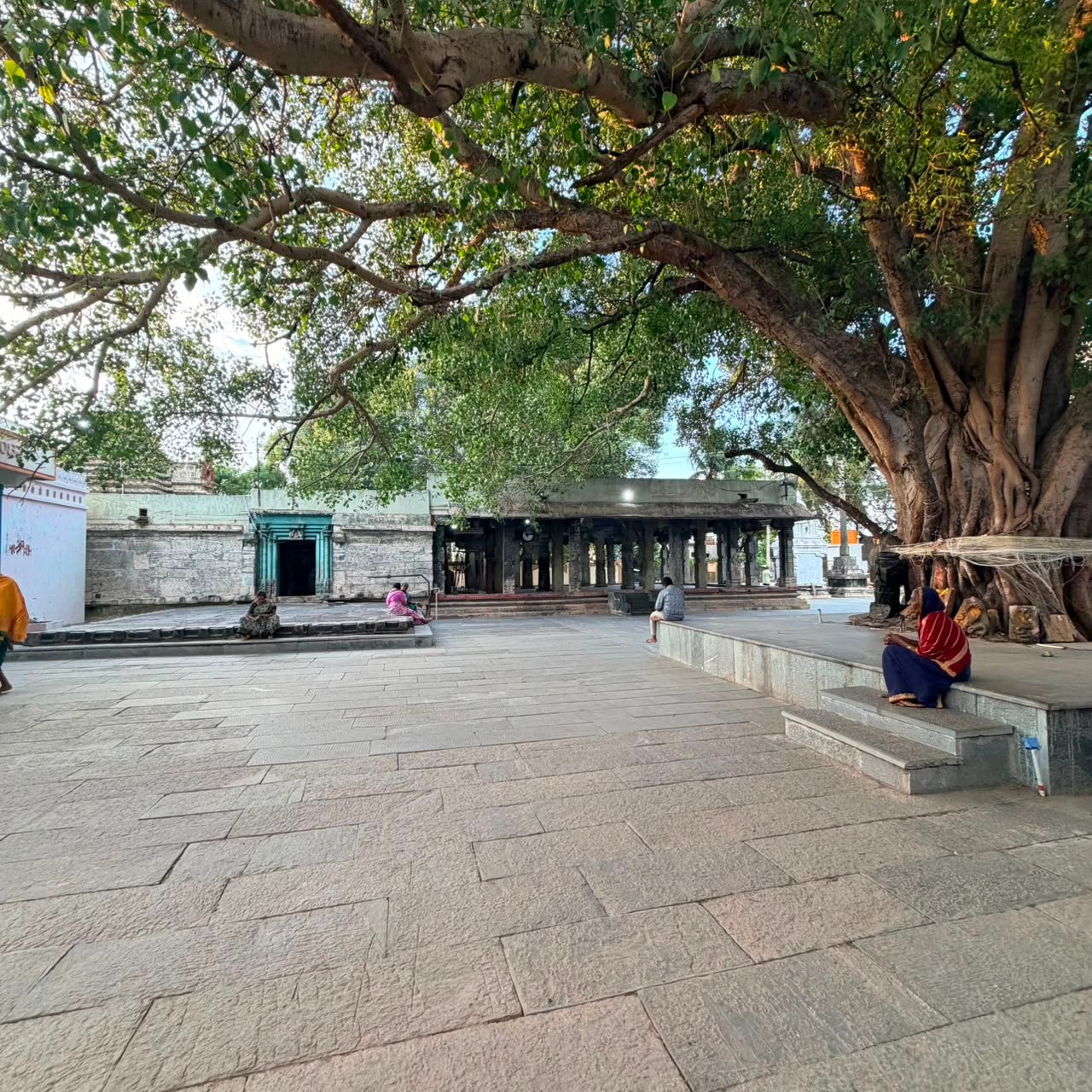
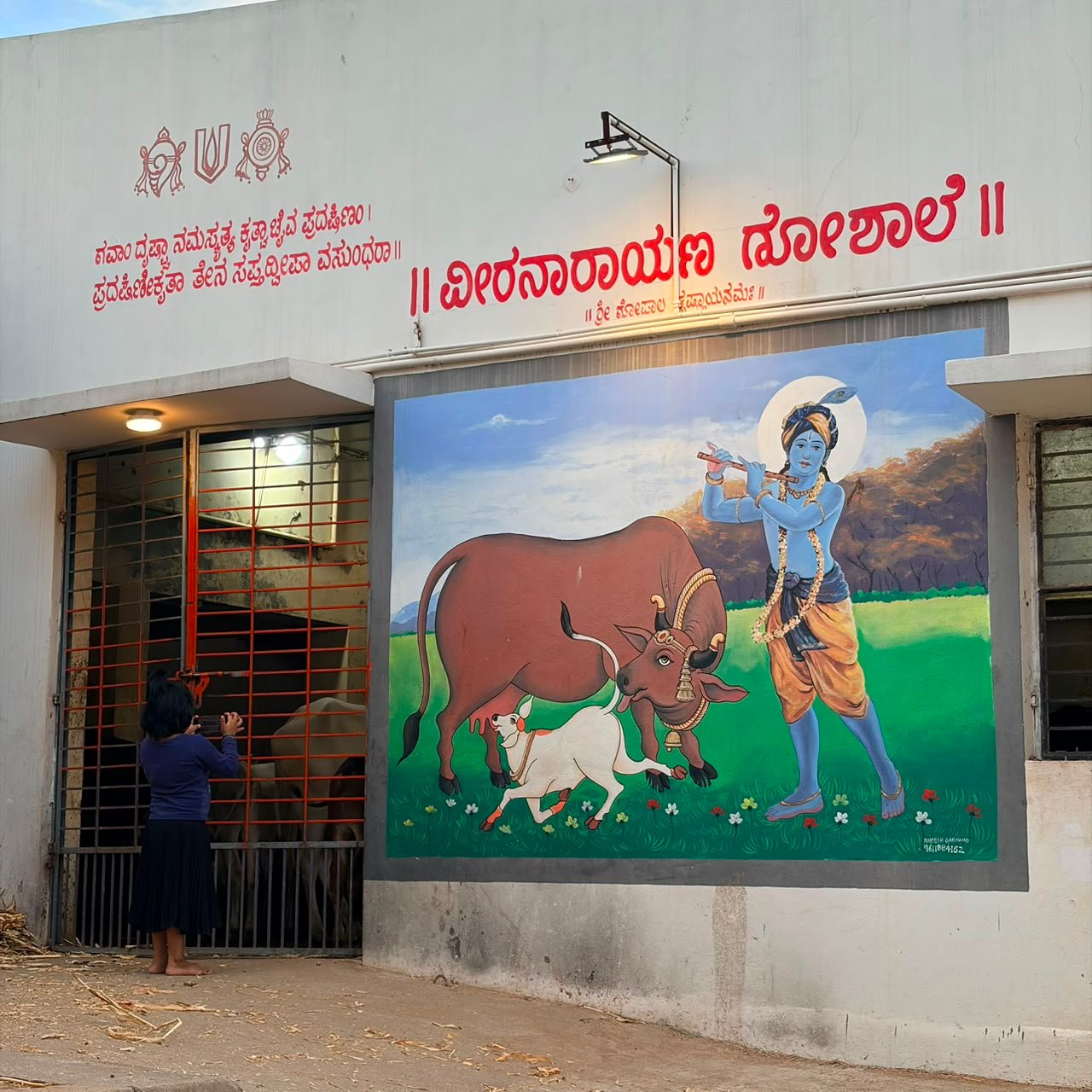
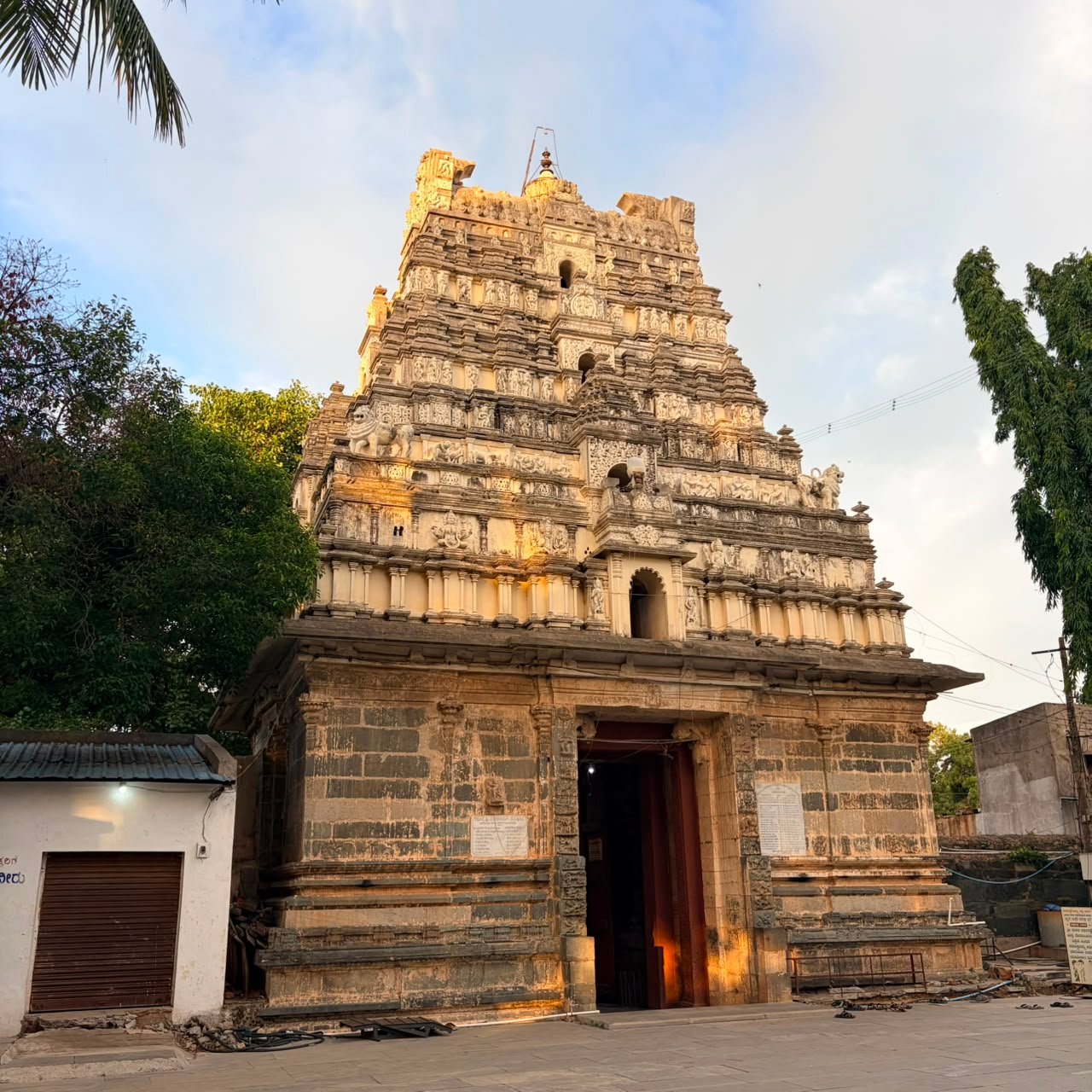
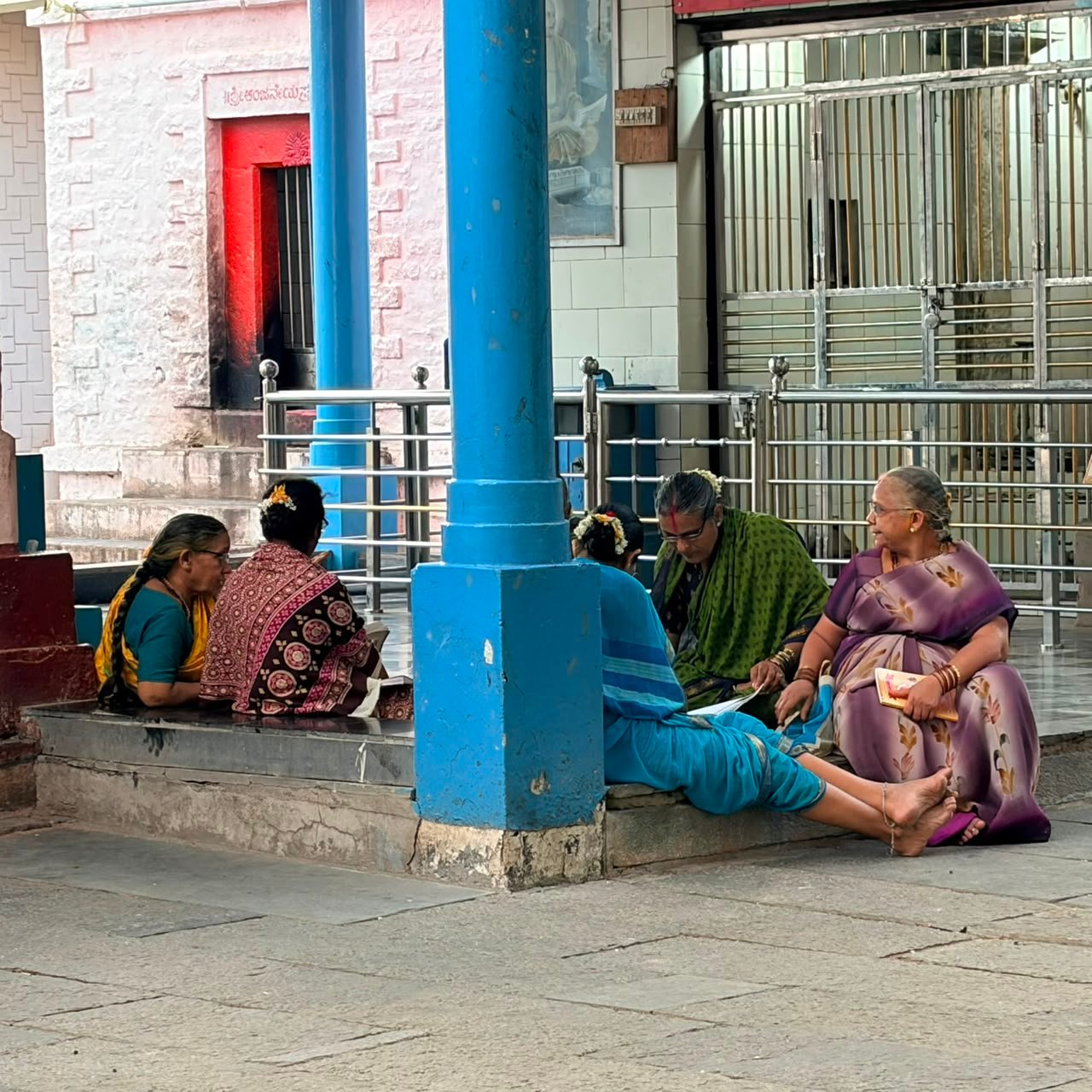
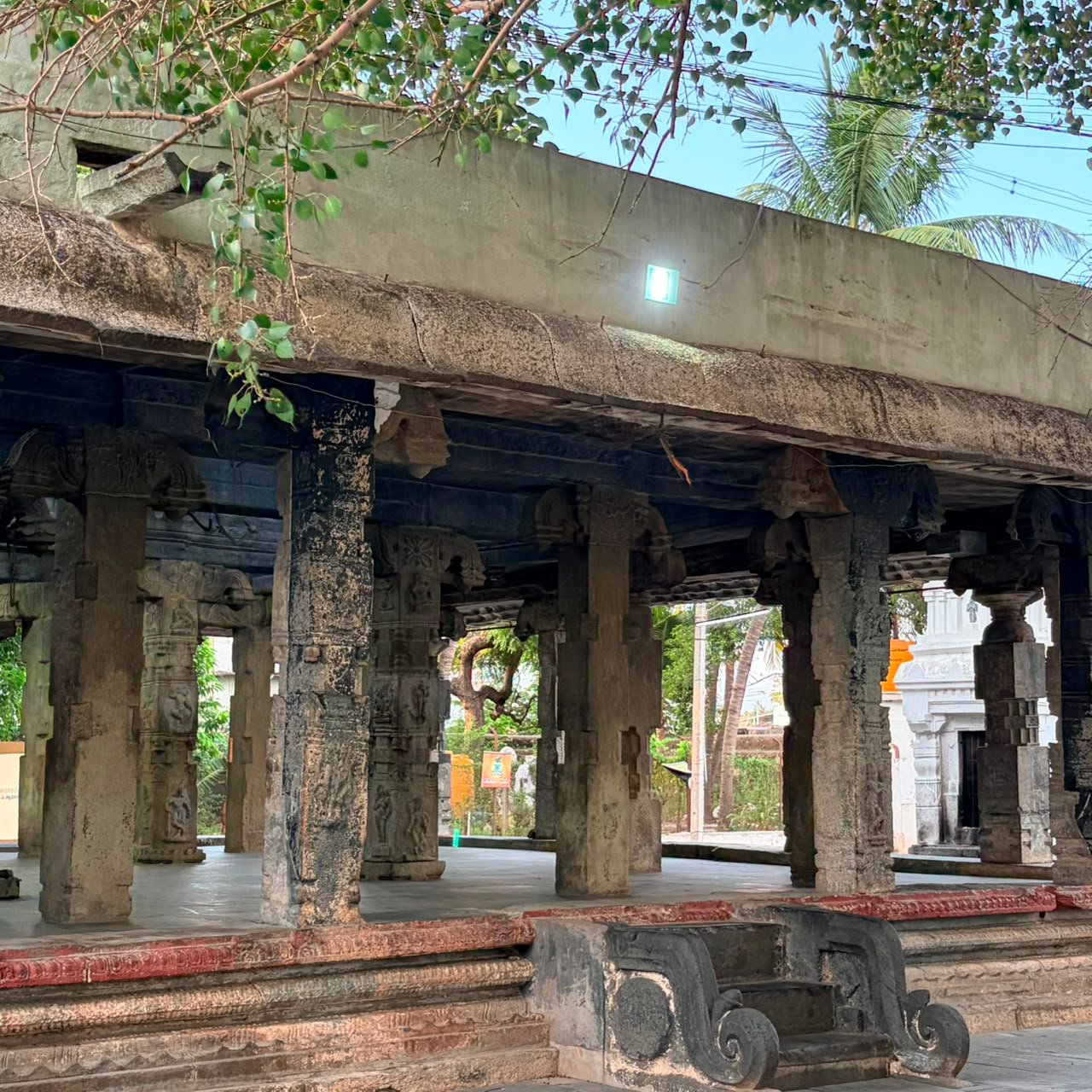
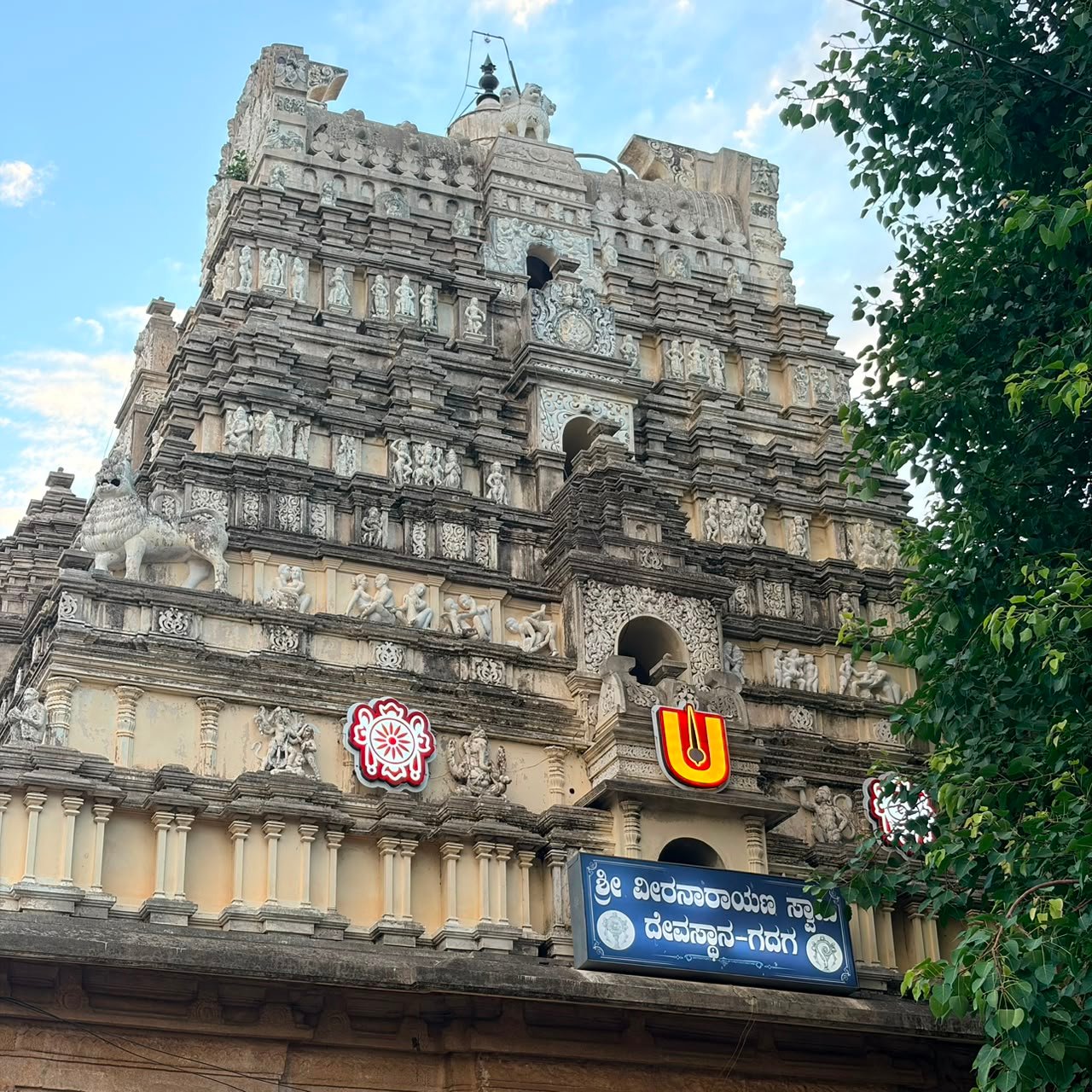
The Philatelic Connection: A Collector’s Dream
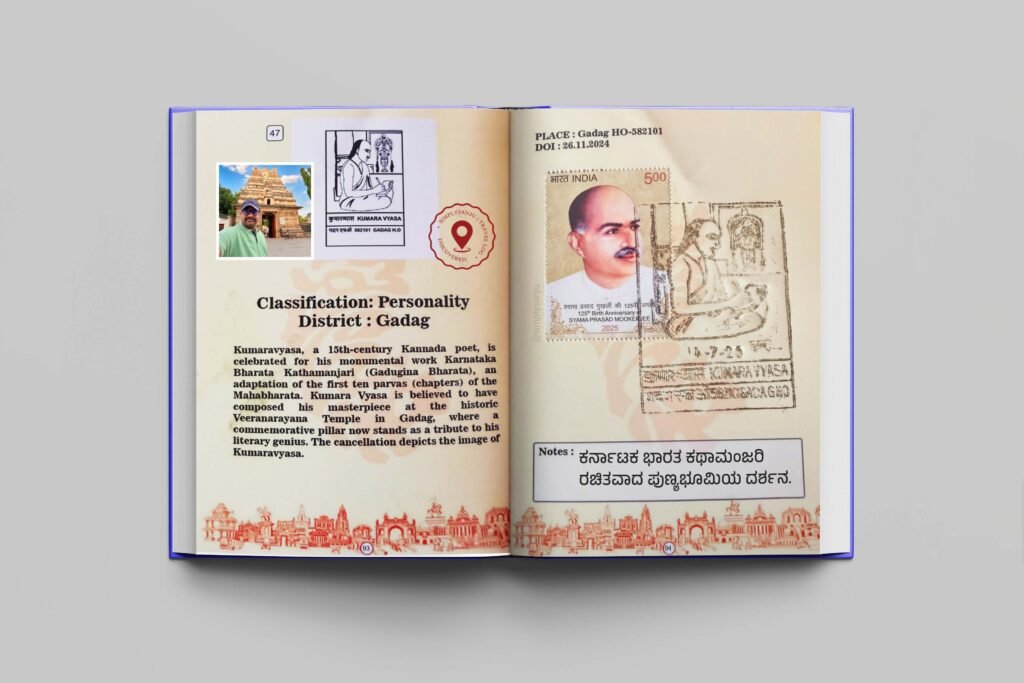
For postal history collectors, visiting Gadag is the ultimate realization of a stamp’s backstory. The Department of Posts honors this exact cultural heritage with a commemorative cancellation mark featuring the face of Kumaravyasa.
Seeing the physical pillar and the temple architecture that inspired the very cancellation mark in your collection bridges the gap between geography and philately perfectly. It turns a simple hobby into a tangible, sensory travel experience.
Practical Travel Tips for the Modern Explorer
Temple Timings
- Morning: 06:00 AM to 01:00 PM
- Evening: 05:00 PM to 08:30 PM
How to Reach Gadag
By Air: The nearest airport is in Hubli (approx. 60 km away), which is well-connected to major Indian cities.
By Rail/Road: Gadag has a major railway junction and robust bus connectivity connecting it seamlessly to Bengaluru, Hampi, and Hubli.
Nearby Attractions to Add to Your Itinerary
If you are planning a full-day trip, don’t miss these nearby spots:
- Trikuteshwar Temple: Located right within Gadag town, this Kalyani Chalukya marvel is famous for its intricate triple-linga shrines and stellar stone screens.
- Koliwad Village: Located about 25 km from Gadag, this is the historic birthplace of Kumara Vyasa himself.
- Bhishma Kere & Basaveshwara Statue: A massive 116.7-foot concrete statue situated by a pristine lake right in the city, perfect for a sunset evening stroll.
Whether you come with a camera, a notebook, or a stamp album, the ancient pillars of the Veeranarayana Temple promise to leave an indelible impression on your traveler’s soul.